
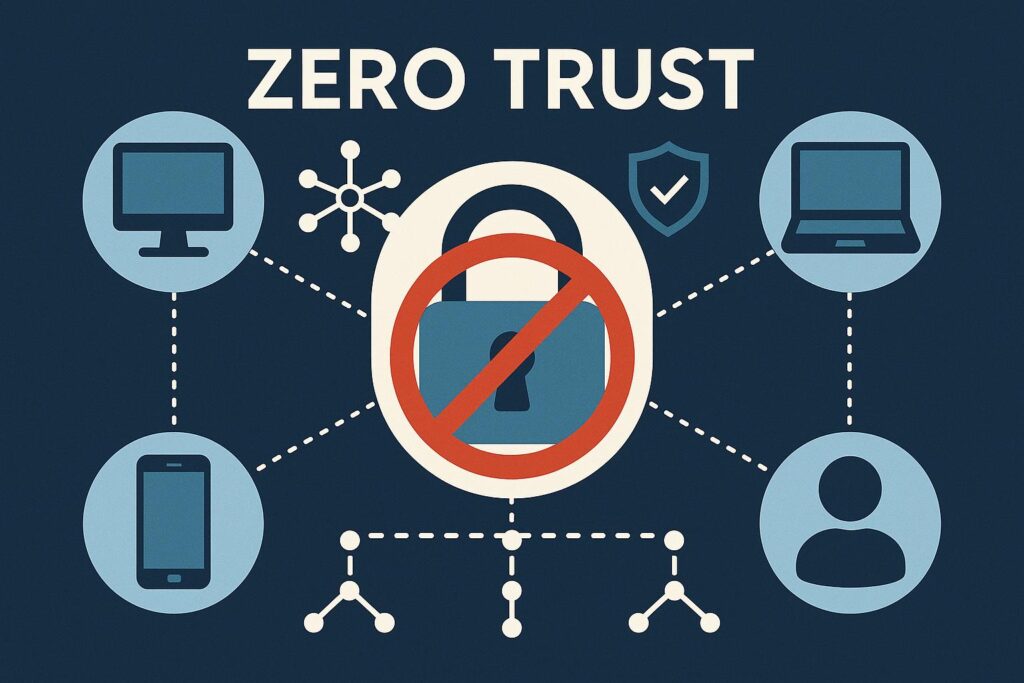
What Is Zero-Trust Networking?
Zero-trust networking is fast becoming a must-have for modern businesses—but what does it really mean, and why should you care? With AI and remote work transforming how we collaborate and share data, the old security perimeter is long gone. Now, every user, device, and application could be a potential entry point for cyber threats. How can you keep your business productive without risking security? That’s where zero-trust security comes in.
Why Zero-Trust Networking Matters in Today’s AI-Driven World
Traditional security models assumed that everything inside your network could be trusted. But as businesses adopt cloud tools, AI platforms, and hybrid work, this “trust but verify” approach leaves dangerous gaps. A single compromised account or device can put your entire business at risk.
Zero-trust networking flips the script: never trust, always verify. Every access request—whether from an employee, partner, or AI-driven process—is rigorously authenticated, authorized, and encrypted, regardless of location or device.
Core Principles of Zero-Trust Security
- Verify Identity: Always confirm user and device identities with multi-factor authentication (MFA).
- Least Privilege Access: Give users and applications the minimum permissions needed, and nothing more.
- Continuous Monitoring: Monitor all network activity for unusual behavior, and adjust access in real time.
- Micro-Segmentation: Divide your network into secure zones to limit the spread of breaches.
- Encrypt Everything: Secure all data in transit and at rest.
How to Start Implementing Zero-Trust Networking
- Map Your Assets: List your users, devices, applications, and data flows—especially those powered by AI.
- Set Access Policies: Define who can access what, when, and how. Use role-based controls.
- Deploy MFA: Require multi-factor authentication for all critical systems.
- Monitor and Respond: Use real-time analytics to spot and respond to threats quickly.
For a deeper dive on securing AI workflows, explore our Prompt Engineering Guide or see how AI Productivity Tools can help you automate securely.
Zero-Trust Networking in Action: A Quick Example
Imagine your finance team uses an AI-driven invoicing tool. With zero-trust security, the system:
- Requires every user to verify their identity with MFA
- Allows access only during business hours, from trusted devices
- Monitors for suspicious behavior, like large data exports
- Encrypts all financial data end-to-end
This approach protects sensitive data—even if a password is compromised.
Zero-Trust Networking FAQ
What is zero-trust networking?
Zero-trust networking is a security model that assumes no user, device, or application should be trusted by default. Every access request is verified, regardless of where it originates.
How does zero-trust security differ from traditional network security?
Traditional models trust everything inside the network perimeter. Zero-trust security verifies every request, reducing the risk from compromised devices or insider threats.
Is zero-trust networking only for large enterprises?
No. Zero-trust principles can benefit businesses of all sizes, especially as remote work, cloud tools, and AI become standard.
Can zero-trust improve AI and productivity workflows?
Yes. By securing access to AI-driven tools and data, zero-trust networking supports safe, efficient collaboration—boosting productivity without sacrificing security.
What are the first steps to adopt zero-trust networking?
Start by mapping assets, enforcing MFA, setting strict access policies, and monitoring network activity. Partnering with a trusted advisor like Omni Legion can accelerate your journey.
Ready to Strengthen Your Security?
Zero-trust networking helps businesses harness the power of AI and productivity tools—without unnecessary risk. To see how your organization can benefit, connect with Omni Legion today. For further learning, check out resources like NIST’s Zero Trust Architecture or the CSO Zero Trust Guide.