
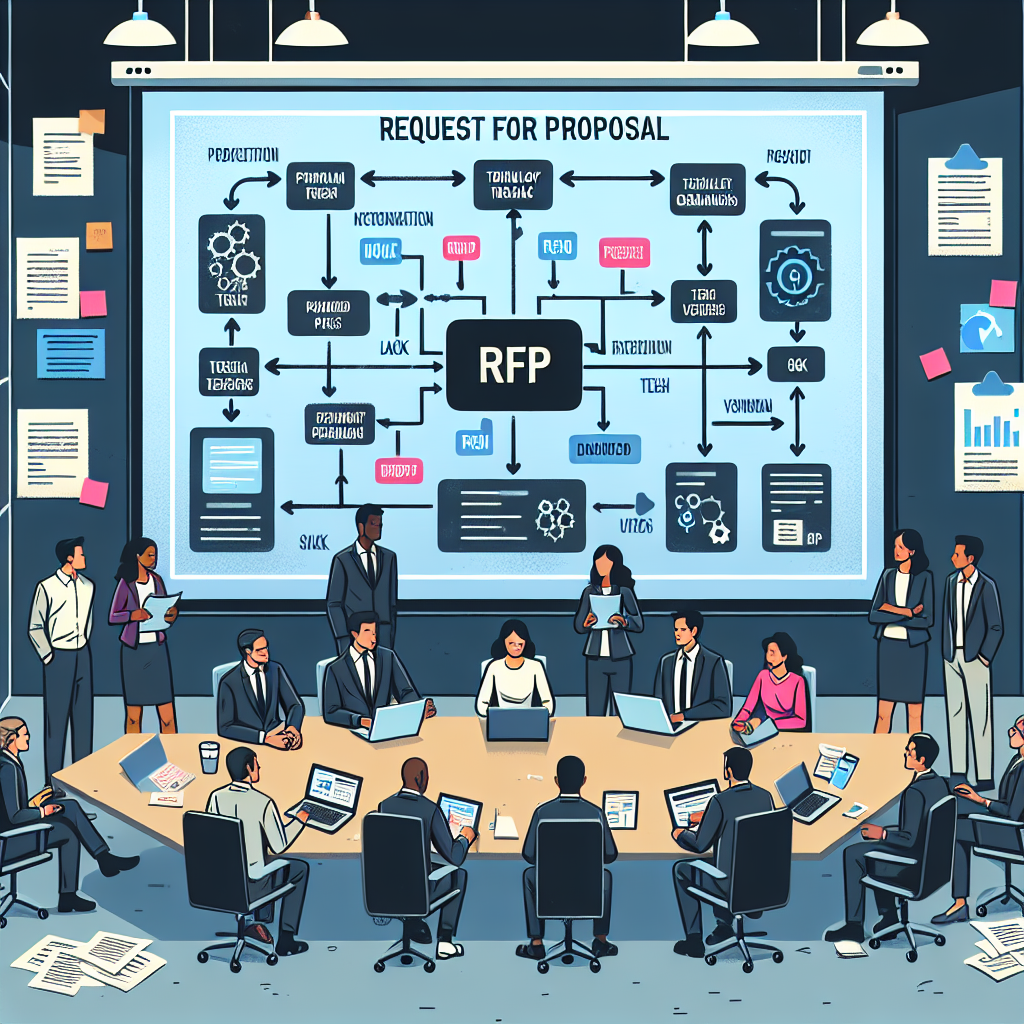
What Is an IT RFP Process?
Ever felt overwhelmed by the endless options when choosing new technology for your business? Whether you’re modernizing your IT stack or searching for the right AI solution, the IT RFP process is your roadmap to confident, strategic decision-making. In this post, we’ll break down what an IT RFP (Request for Proposal) process is, why it matters, and how to approach it for maximum productivity and success.
Understanding the IT RFP Process
An IT RFP process is a structured method organizations use to solicit bids from technology vendors. It’s designed to ensure you cover every critical requirement — from technical capabilities to support and pricing. With the right approach, you’ll streamline vendor evaluation, reduce risk, and make data-driven decisions that align with your business goals.
Key Steps in the IT RFP Process
- Requirements Gathering: Start by defining your business needs, technical requirements, and desired outcomes. Collaborate with stakeholders and power users to ensure nothing is overlooked.
- Drafting the RFP: Create a clear, comprehensive document outlining your requirements, timelines, evaluation criteria, and submission instructions. Use precise language to avoid ambiguity.
- Vendor Shortlisting: Research and invite reputable vendors who match your criteria. Consider leveraging AI-powered tools to automate initial filtering and save time.
- Proposal Evaluation: Score vendor responses using a weighted matrix. Compare solutions on factors like functionality, scalability, security, and cost.
- Final Selection and Negotiation: Shortlist top candidates, arrange demos, and negotiate terms. Make your selection based on total value, not just price.
Best Practices for a Successful Technology RFP
- Be Specific: The clearer your requirements, the better the proposals you’ll receive.
- Standardize Scoring: Use a consistent scoring system for fair, objective vendor evaluation.
- Involve Key Stakeholders: Gather input early and often to ensure buy-in and alignment.
- Leverage Prompt Engineering: Use AI prompt frameworks (like those we cover at Omni Legion’s prompt engineering hub) to draft and refine your RFP questions for clarity and depth.
- Document Everything: Keep detailed records for transparency and future reference.
IT RFP Example Scoring Matrix
| Criteria | Weight (%) | Vendor A | Vendor B |
|---|---|---|---|
| Functionality | 40 | 8 | 7 |
| Security | 20 | 9 | 8 |
| Price | 20 | 7 | 8 |
| Support | 20 | 8 | 9 |
Weighted scoring helps teams make transparent, objective decisions. For more on practical frameworks, see our productivity frameworks library.
FAQs on the IT RFP Process
- What is an IT RFP?
- An IT RFP (Request for Proposal) is a formal document organizations use to request detailed proposals from technology vendors, ensuring a structured comparison of solutions.
- How do I write effective RFP questions?
- Focus on clarity and relevance. Use prompt engineering techniques to frame questions that elicit targeted, actionable responses. For AI prompt tips, explore our AI prompt engineering resources.
- What should I include in a technology RFP?
- Essential elements are project background, technical requirements, evaluation criteria, timelines, and submission guidelines. See best practices above for more detail.
- How long does the IT RFP process take?
- Typical timelines range from a few weeks to several months, depending on project complexity and stakeholder availability.
- How can AI help streamline the RFP process?
- AI tools can automate vendor research, scoring, and even draft smarter RFP questions, saving time and improving accuracy. Learn more from trusted sources like Gartner’s RFP guide.
Next Steps
Ready to level up your IT RFP process or explore AI-powered productivity solutions? Browse Omni Legion’s AI prompt engineering and productivity frameworks for actionable strategies tailored to forward-thinking teams.