
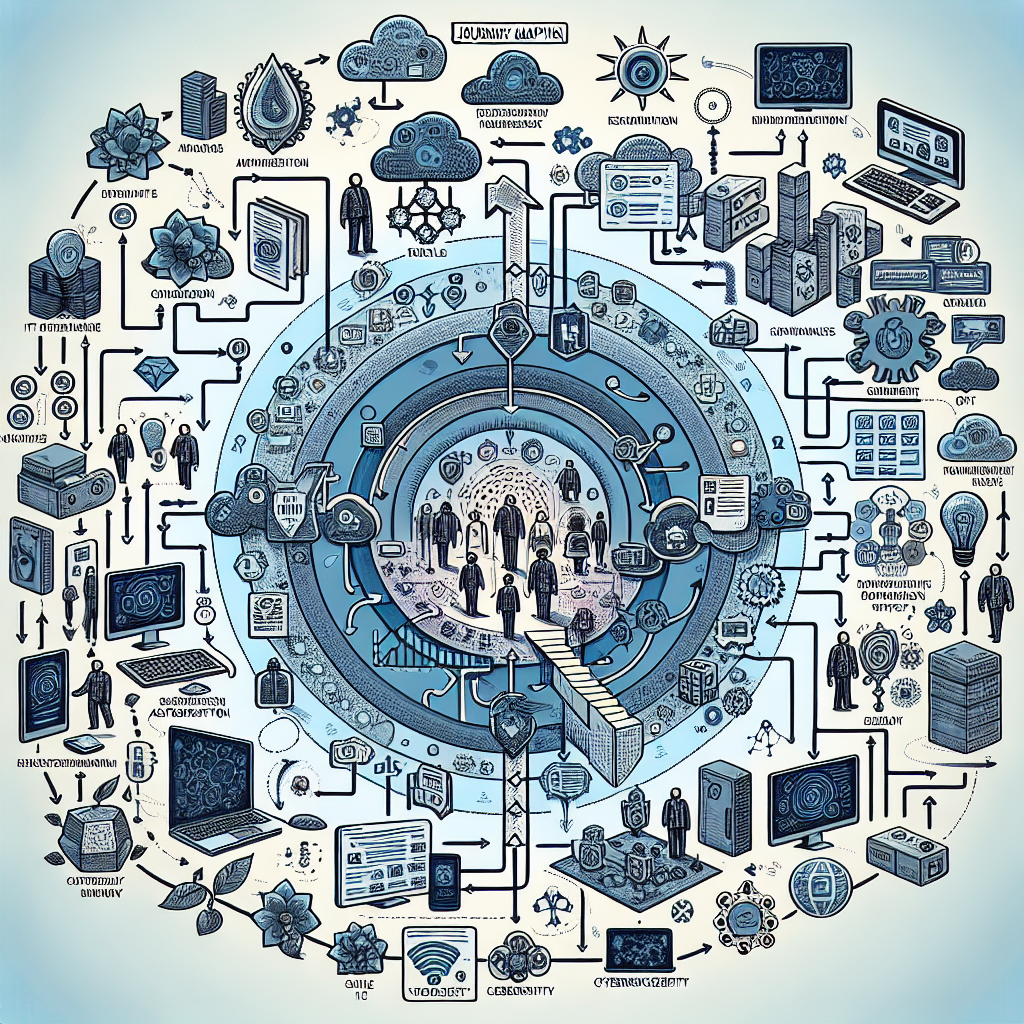
Journey Mapping in IT: Understanding the Customer Technology Experience
How can businesses ensure their technology truly serves the customer? In today’s AI-powered, fast-paced work environments, digital products and IT services are only as good as the experiences they create. Yet, many teams struggle to pinpoint where users get stuck or frustrated—leading to lost productivity and missed opportunities. That’s where journey mapping in IT comes in.
What Is Journey Mapping in IT?
Journey mapping in IT is the process of visually outlining every touchpoint a customer or user has with your technology platforms. From first login to daily use and support interactions, this approach helps teams understand the customer journey and spot friction points. The result? More intuitive products, streamlined processes, and happier customers.

Why Customer Journey Mapping Matters for IT Teams
- Boosts productivity: Identifies workflow bottlenecks and areas for automation.
- Enhances user experience: Surfaces confusing steps or pain points that frustrate users.
- Drives smarter AI prompt engineering: Reveals opportunities to use AI prompts to guide or support users more effectively.
- Improves cross-functional collaboration: Provides a shared view for IT, product, and support teams.
How to Create an Effective IT Journey Map
- Define the user persona: Who is using your system? (e.g., employees, customers, administrators)
- List all key touchpoints: Login, onboarding, daily tasks, troubleshooting, feedback, etc.
- Capture user goals and emotions: What are users trying to accomplish? Where do they feel frustration or satisfaction?
- Identify friction and opportunities: Look for delays, confusion, or repetitive tasks—prime areas for improvement or automation.
- Prioritize and act: Use your map to plan updates and prompt solutions, applying frameworks like NNG’s journey mapping best practices.

Tips for Leveraging Journey Maps in AI and Prompt Engineering
- Pinpoint steps where users need guidance—these are great places for context-aware AI prompts.
- Test and refine prompts based on real user feedback from journey maps.
- Collaborate with product and IT teams to ensure prompts are timely and relevant.
- Regularly revisit maps as workflows evolve or new features roll out.
For more on prompt engineering, check out our AI Prompt Engineering Guide and our insights on AI Productivity Tools.
FAQ: Journey Mapping in IT
- What is the difference between journey mapping and process mapping?
- Journey mapping focuses on user experiences and emotions across all touchpoints, while process mapping details internal workflows and steps. Both are valuable, but journey maps put the user front and center.
- How often should IT journey maps be updated?
- Update maps after major product changes, feature launches, or user feedback cycles—at least twice a year for dynamic platforms.
- What tools can help with customer journey mapping?
- Popular tools include Miro, Lucidchart, and specialized journey mapping apps. Many teams also use spreadsheets or whiteboards to start.
- How can journey mapping improve AI prompt engineering?
- By revealing when and where users struggle, journey maps help engineers place helpful, contextual AI prompts that boost efficiency and satisfaction.
- Can journey mapping benefit internal IT systems?
- Absolutely. Mapping the employee experience with IT can highlight training needs, tech gaps, and automation opportunities.
Ready to Transform Your IT Experience?
Whether you’re streamlining internal tools or building customer-facing platforms, journey mapping in IT is a powerful way to unlock better experiences and smarter AI prompt strategies. Explore how Omni Legion’s services can help you map, optimize, and innovate your technology journeys with confidence.