
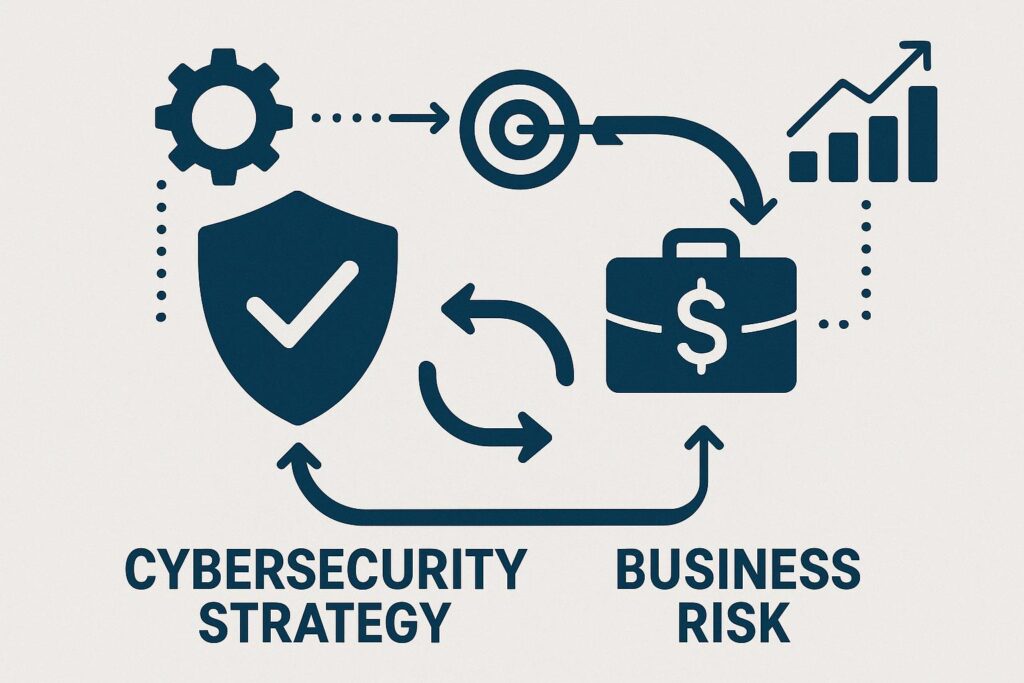
How to Align Cybersecurity Strategy With Business Risk
In today’s AI-driven business landscape, cybersecurity can feel like a moving target. As organizations adopt new productivity tools and integrate advanced technologies, the risk surface grows—and so does the pressure to protect assets. Yet, many teams struggle to connect their cybersecurity strategy with actual business risk. The result? Investments that don’t always align with what matters most to your organization.
Why Business Risk Alignment Matters in Cybersecurity
Too often, cybersecurity spending is reactive—responding to the latest threat or compliance deadline. But to maximize value, cybersecurity strategy must be designed around your unique business objectives and risk tolerance. This approach ensures resources are prioritized where they’ll have the greatest impact.
- Protect what matters: Focus on assets and processes critical to your bottom line.
- Justify investments: Link spending to actual risk reduction and business outcomes.
- Enable innovation: Confidently pursue AI and productivity gains without introducing unmanaged risks.
A Framework for Aligning Cybersecurity Strategy With Business Risk
Try this practical framework to connect your cybersecurity efforts with real business priorities:
-
Identify Key Business Objectives
What are your strategic goals—growth, compliance, innovation, customer trust? Map out your most valuable assets and processes. -
Assess Business Risks
Use risk assessments (see NIST Cybersecurity Framework) to identify threats, vulnerabilities, and potential impacts. Consider both external (cyberattacks, AI misuse) and internal (process failures, insider threats) risks. -
Prioritize Actions Based on Risk
Rank risks by likelihood and potential business impact. Focus resources on high-priority areas, not just high-profile threats. -
Design Controls That Support Business Goals
Select security controls that reduce risk without slowing productivity or innovation. For example, leverage AI-driven threat detection that integrates seamlessly with your workflows. -
Continuously Monitor and Adapt
Regularly review your strategy as business goals, technology, and the threat landscape evolve. Use tools like AI risk assessment to stay ahead.
Prompt Engineering for Better Cybersecurity Decisions
AI-powered tools can accelerate risk assessments and automate responses. To get the most from these solutions, craft targeted prompts—ask clear, specific questions about risk scenarios, control effectiveness, or emerging threats. See our AI prompt engineering guide for tips on making your security queries more effective.
Cybersecurity Strategy and Business Risk Alignment FAQ
- What is business risk alignment in cybersecurity?
- It’s the process of ensuring your cybersecurity strategy directly supports your organization’s most important business objectives and addresses the highest-priority risks.
- Why is aligning cybersecurity with business risk important?
- Alignment helps maximize ROI, protects mission-critical assets, and enables secure growth—especially when adopting new AI or productivity tools.
- How can AI help improve cybersecurity risk alignment?
- AI streamlines risk assessments, automates threat detection, and enables data-driven decision-making when integrated with prompt engineering best practices.
- What are some best practices for business-aligned cybersecurity?
- Focus on risk-based priorities, involve stakeholders across departments, monitor results, and adapt your approach as business needs and threats evolve.
- Where can I learn more about effective cybersecurity strategy?
- Explore the CISA Cybersecurity Strategies for industry best practices and frameworks.
Next Steps
Aligning your cybersecurity strategy with business risk isn’t just about compliance—it’s about empowering your organization to thrive in a changing landscape. For expert guidance on prompt engineering, AI risk assessment, or tailored security frameworks, explore Omni Legion’s services or connect with our team today.